

LUNG CANCER SURGERY IN MURCIA
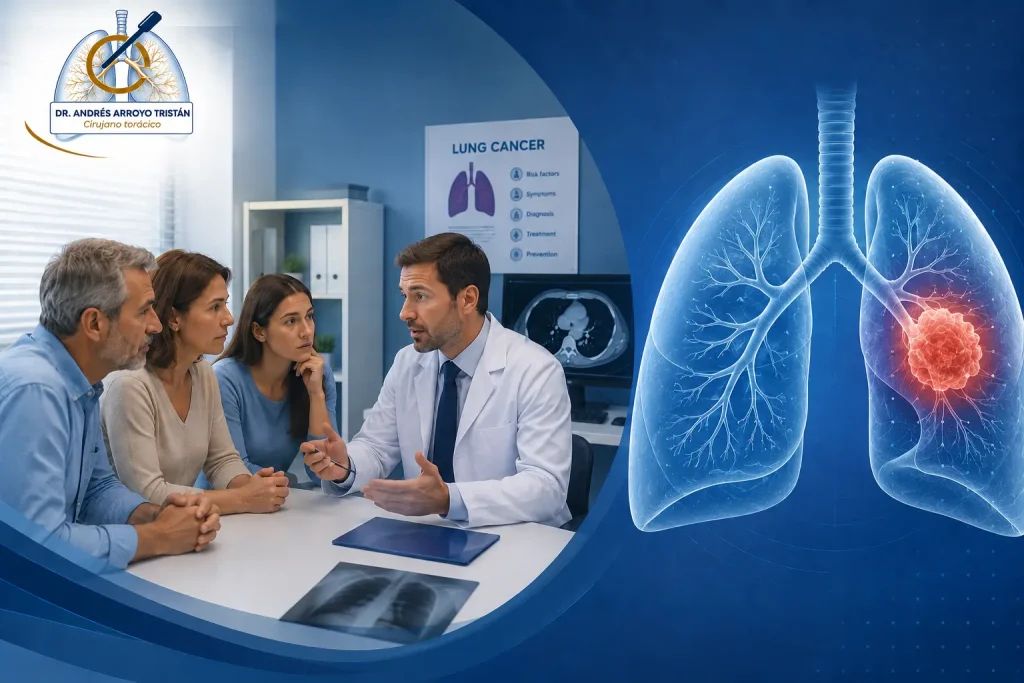
Lung cancer is a disease caused by the uncontrolled growth of abnormal cells in the lung. It is one of the most common oncological diseases, and its treatment must be assessed on an individualized basis through a multidisciplinary approach involving thoracic surgery, pulmonology, medical oncology, radiation oncology, radiology and pathological anatomy.
LUNG CANCER SURGERY IN MURCIA
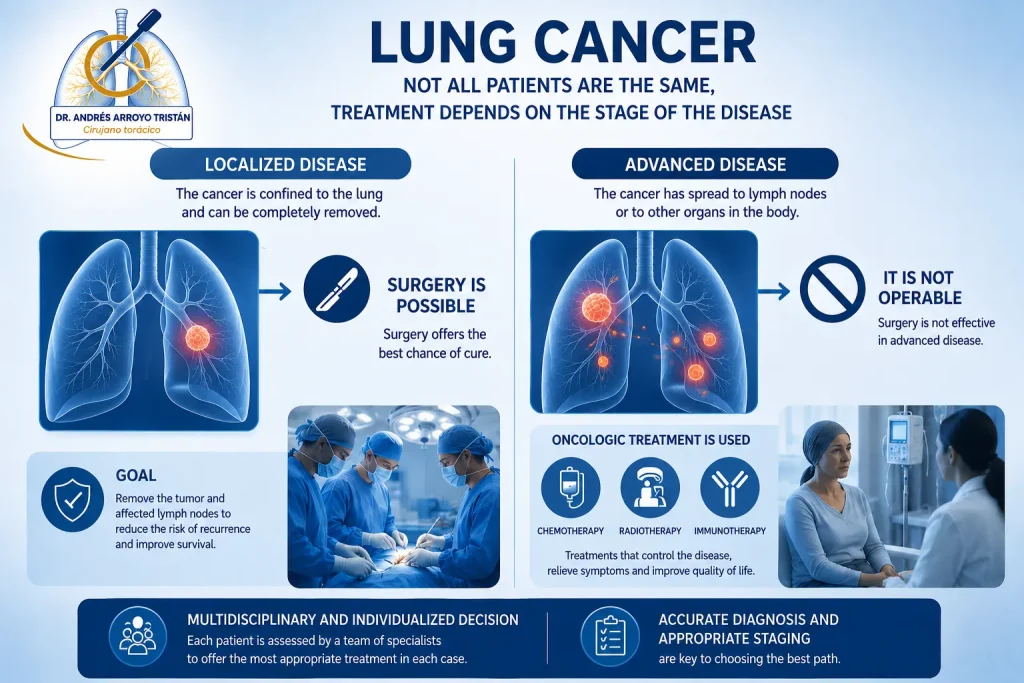
Surgery remains the treatment with the greatest curative potential in selected patients, especially when the tumor is localized and can be completely removed while preserving adequate respiratory function. However, not all lung cancers are operable. The surgical indication depends mainly on the stage of the tumor, possible lymph node involvement or distant spread, and the patient’s general and functional status.
In cases of locally advanced or metastatic disease, treatment may be directed towards chemotherapy, immunotherapy, radiotherapy or combined strategies.
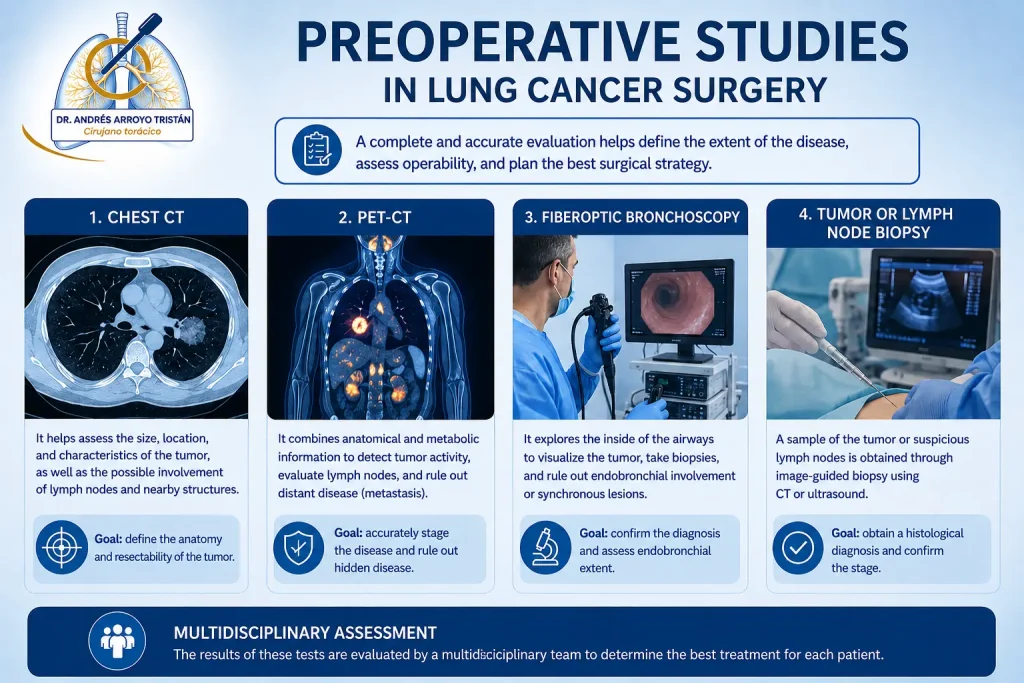
Before considering surgical intervention, it is essential to carry out a complete preoperative study to assess both the extent of the disease and the patient’s ability to tolerate surgery. The most important tests include:
· CT scan (Computed Tomography): allows the size of the tumour, its location, and possible involvement of lymph nodes or nearby structures to be assessed.
· PET-CT: combines anatomical and metabolic information to detect tumour activity and rule out disease outside the lung.
· Fiberoptic bronchoscopy
· Tumour biopsy to obtain cells.
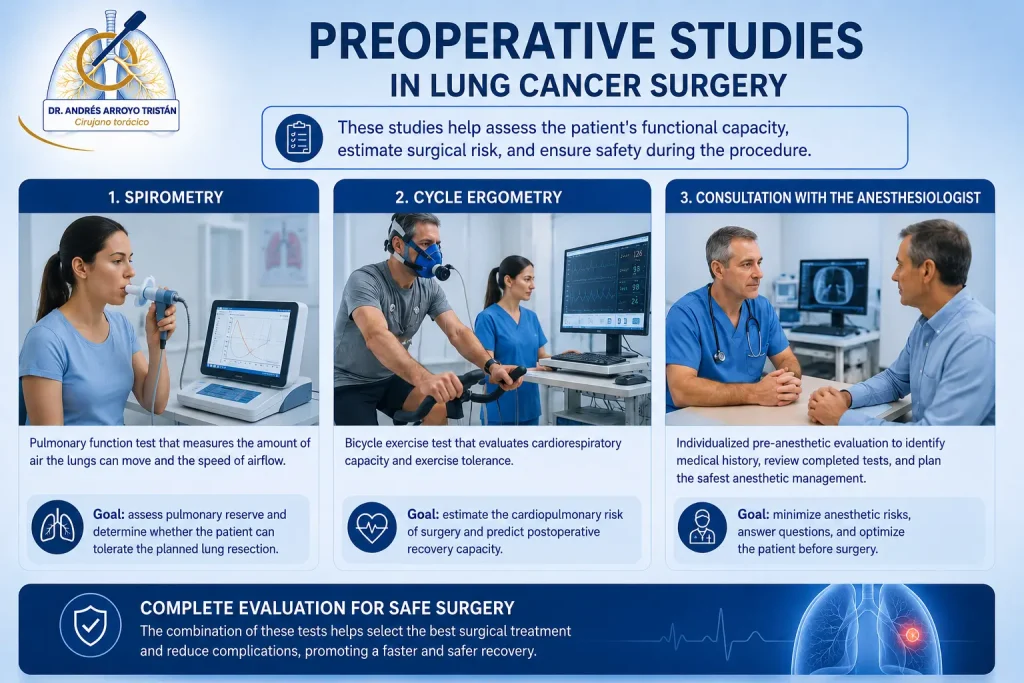
We also assess the patient’s cardiorespiratory function by performing spirometry and, in some cases, cardiopulmonary exercise testing. These tests evaluate pulmonary reserve and help determine the safety of the surgical resection.
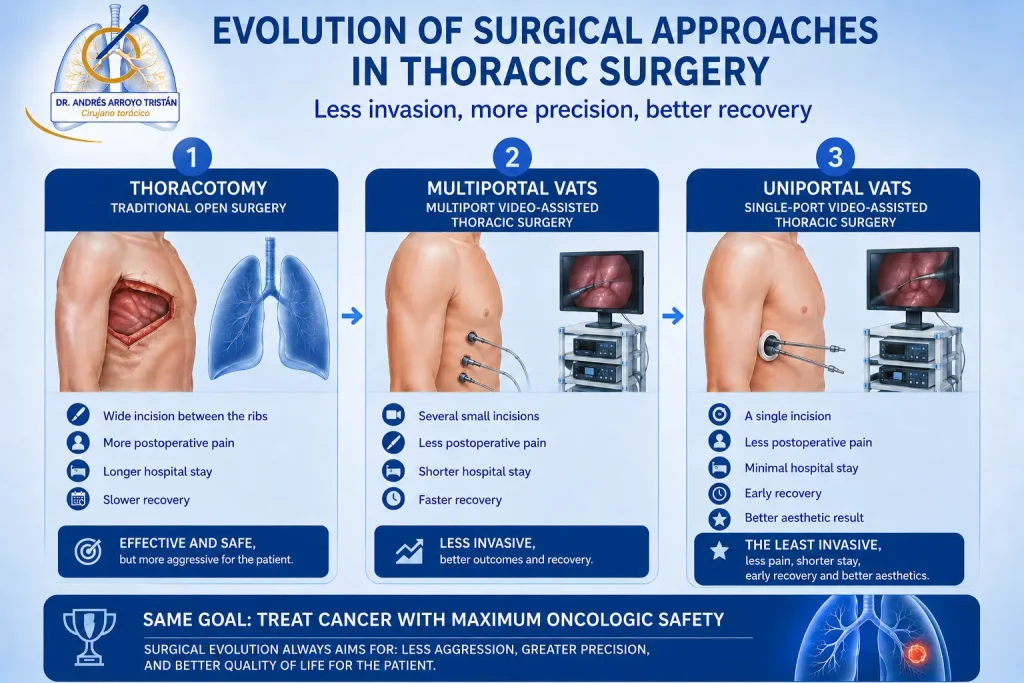
Lung cancer surgery has evolved very significantly in recent decades. Traditionally, the standard approach was thoracotomy, an open surgery performed through a wide incision between the ribs.
Subsequently, multiportal video-assisted thoracic surgery (multiportal VATS) was developed, allowing procedures to be performed through several small incisions with less surgical aggression.
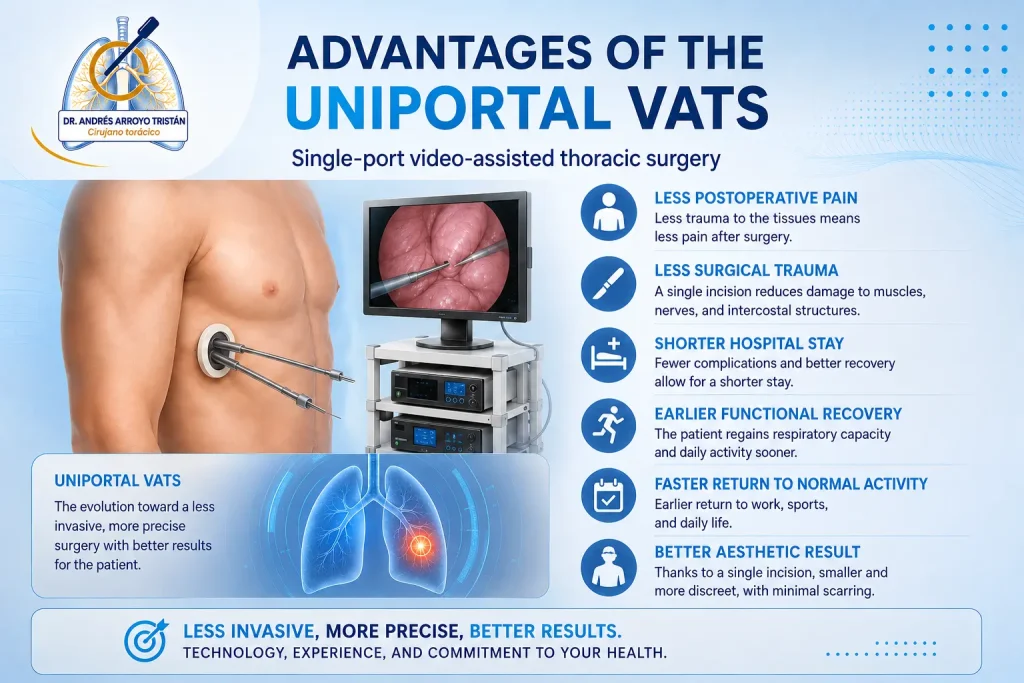
Currently, in selected patients, the evolution towards Uniportal VATS (video-assisted thoracic surgery through a single port) allows complex pulmonary resections to be performed through a single incision. This minimally invasive approach offers multiple advantages over conventional surgery, including:
• Less postoperative pain.
• Less surgical aggression and shorter hospital stay.
• Earlier functional recovery and faster return to normal daily activities.
• Better aesthetic result thanks to a single incision.
WHAT HAPPENS AFTER LUNG CANCER SURGERY?
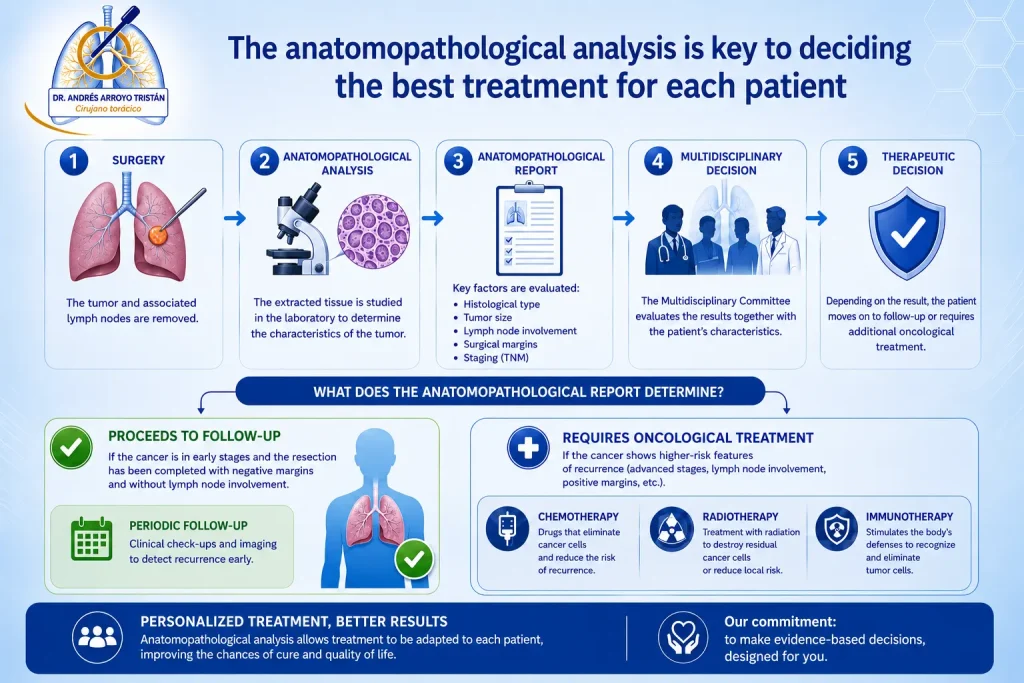
After surgery, the definitive anatomopathological analysis of the surgical specimen provides essential information about the type of tumor, the actual stage and other prognostic factors. This result will determine whether treatment should be completed with complementary therapies such as chemotherapy, radiotherapy or immunotherapy, with the aim of reducing the risk of recurrence and optimizing disease control.